
GAIL’s has highlighted the growing impact of its Craft Community, a network of farmers, growers and producers working with the bakery business on product development, responsible sourcing and waste reduction.
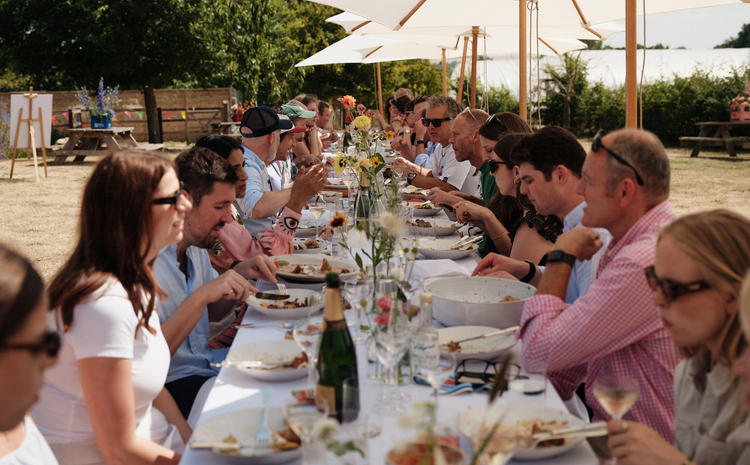
During the past 18 months, GAIL’s said it has worked with its partners to develop more than 50 products, with approximately 15p in every £1 spent at its bakeries currently invested through businesses within the Craft Community.
The company aims to increase that figure to 25p in every £1 by 2030 as it expands its relationships with farmers and specialist food producers.
Waste reduction forms a significant part of the programme.
GAIL’s has worked with cold-pressed juice producer Daily Dose to utilise more than 2,000 tonnes of surplus and imperfect fruit and vegetables that might otherwise have entered waste streams.
The business has also saved 11 tonnes of cheese offcuts from waste by developing alternative uses for surplus ingredients across its bakeries.
Alongside the environmental initiatives, GAIL’s said partnerships within the Craft Community have supported the Natoora Farm Fund and generated almost £15,000 for charities through collaborations with suppliers.
The Craft Community spans regenerative farms, family-run dairies, independent drinks businesses and artisan food producers.
Partners include Lincolnshire Poacher, Quicke’s Cheese, Wildpress Juice, Daily Dose, MOMO Kombucha, Tea Together, Brades Farm, Buchanans Cheesemonger, Eaten Alive, Cobble Lane Cured, XOCO and Rapscallion.
The network is intended to give GAIL’s closer relationships with the businesses producing its ingredients and products, allowing the bakery company and its suppliers to collaborate on new recipes, sourcing and waste-reduction opportunities.
According to GAIL’s, its teams have spent more than 100 hours working directly with Craft Community partners during the past 18 months as part of the development of more than 50 products.
The network also includes producers adopting regenerative and responsible farming practices designed to support soil health, biodiversity and the long-term resilience of food production.
One example is Wildpress, which works with sustainable orchards and lesser-known British apple varieties, while GAIL’s has also previously worked with Natoora and its Farm Fund, which supports the next generation of farmers and alternative approaches to intensive agriculture.
Roy Levy, Creative Director at GAIL’s, said: “The Craft Community is proof that growth can create value beyond our own bakeries. Every partnership is built on a shared belief that better food starts with the people who grow, make and care for it.
“By investing in long-term relationships rather than simply buying ingredients, we’re helping create new products, reducing waste and supporting producers who are shaping the future of British food.
“As GAIL’s grows, we want our impact on the food system to grow with it.”
The initiative forms part of GAIL’s wider approach to traceable supply chains, responsible sourcing, regenerative agriculture and reducing unnecessary food waste as the bakery business continues to expand.
Associated Articles
WSH Introduces First RSPCA Assured Labelled Milk Across Foodservice
Provides direct responsible-sourcing context, highlighting how a major foodservice business is working with farmers and suppliers to improve standards across its supply chain while using its scale to support wider change.
WSH Introduces First RSPCA Assured Labelled Milk Across Foodservice
Levy Extends EICC Catering Partnership Until 2032 After Three Decades
Adds closely related sustainability and local-sourcing context, with EICC Nourish using Scottish produce, regenerative Wildfarmed flour and an Olio partnership to redistribute surplus food within the community.
Levy Extends EICC Catering Partnership Until 2032 After Three Decades
The Tides Inn Unveils Signature Widgeon Oyster
Provides wider regenerative hospitality context, showing how food and beverage development can be connected directly with environmental restoration, sustainable sourcing and support for local ecosystems.