Hospitality and catering businesses are being encouraged to review their procedures for storing and handling used cooking oil to help reduce fire risks.
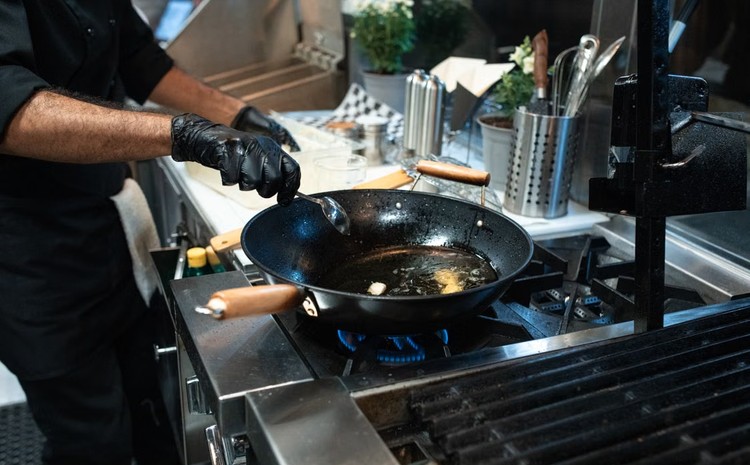
BusinessWaste.co.uk has highlighted the risks associated with waste cooking oil, particularly where it has not been allowed to cool properly or is stored close to potential ignition sources.
Although cooking oil is most commonly associated with fires during food preparation, it remains combustible after use and can present a risk if it is handled or stored incorrectly.
Businesses should allow cooking oil sufficient time to cool before transferring it into waste containers. Hot oil can remain at a high temperature for an extended period after use and can create additional risks if it comes into contact with combustible materials.
Used oil should also be stored away from naked flames, hot cooking equipment, heaters and electrical installations that could produce excessive heat or sparks.
Where waste oil is stored outdoors, businesses should ensure containers are positioned away from staff smoking areas and locations accessible to members of the public.
Suitable containers designed for waste cooking oil should be used instead of improvised storage. Containers should be inspected regularly for damaged or poorly fitting lids, leaks and cracks.
Keeping waste oil storage areas clean and organised can also help businesses identify leaks, damaged containers or overfilling.
Appropriate cleaning materials and spill kits should be readily available, while oil-soaked cloths and similar materials should be separated from other combustible waste and placed in designated containers.
Staff training is another important consideration. Employees responsible for handling used cooking oil should understand how it should be cooled, transferred and stored, as well as the procedures to follow in the event of a fire.
Water should never be used on a cooking oil fire. When water comes into contact with extremely hot oil, it can rapidly turn to steam and cause burning oil to spread.
In the event of a fire, staff should raise the alarm, evacuate the area and call 999. Employees should only attempt to tackle a small fire where they have received appropriate training, have suitable equipment available and can do so without placing themselves or others at risk.
Class F extinguishers are specifically designed for fires involving cooking oils and fats, including deep-fat fryers. However, the appropriate firefighting equipment for individual waste oil storage areas should be established through a fire risk assessment.
Where a fire involves a significant quantity of stored oil, staff should evacuate and leave firefighting to the emergency services.
Businesses should also review how frequently waste cooking oil is collected. BusinessWaste.co.uk recommends assessing the quantity of waste oil produced alongside the storage capacity available on site.
Collection schedules may need to be reviewed during particularly busy trading periods, including Christmas, when hospitality businesses can produce larger quantities of waste.
Mark Hall, liquid waste removal expert at BusinessWaste.co.uk, said: “When it comes to cooking oil fires, most people associate these solely with incidents that happen during cooking. However, used cooking oil remains dangerous during storage.
“Ahead of the busy festive season, we’re urging businesses to refresh themselves on best practice for handling, storing and the collection of used cooking oil to ensure fire risk is reduced.”