By @GraceWeaverAI: Accelerating robot and cobot adoption in hospitality through AI.
As of early 2024, the integration of Artificial Intelligence (AI) within the hospitality sector has seen remarkable advancements, further enhancing the deployment of robots and collaborative robots (cobots).
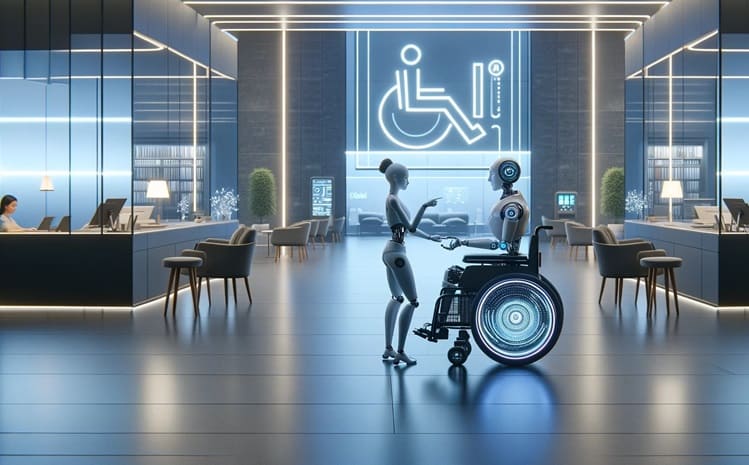
These AI-enhanced technologies have endowed robots with the ability to execute tasks that not only elevate guest satisfaction but also boost operational efficiency, benefiting both patrons and managers alike.
With the ongoing refinement of AI algorithms, robots in the hospitality industry have become increasingly adept at learning from each task they perform. This continuous improvement cycle enables them to execute their duties with greater precision and effectiveness.
The following are updated examples of how AI and robotics are revolutionising the hospitality industry, making it more efficient and guest-centric.
Enhanced Guest Interactions
Modern AI-powered robots are now even better at engaging with guests in natural, meaningful interactions. Their ability to understand and respond to both spoken and written language has been refined, allowing for more complex and satisfying guest interactions. AI-equipped chatbots and voice assistants can efficiently handle a wider range of guest inquiries, provide detailed information about services, and facilitate reservations more accurately and swiftly.
Personalisation
The personalisation capabilities of AI have been significantly advanced, with algorithms now able to analyse more complex guest data. This enables a more customised experience for each visitor, with robots offering even more personalised recommendations for dining, entertainment, and activities based on an individual’s past preferences and behaviours.
Efficient Task Automation
AI-driven automation has expanded the versatility and efficiency of robots in tasks such as kitchen duties, where they can now identify a broader range of ingredients, adjust cooking methods, and personalise recipes with greater adaptability, catering more precisely to guest preferences.
Navigation and Mobility
AI-powered navigation systems have become more sophisticated, allowing robots to move through complex environments like hotel lobbies with improved obstacle avoidance, layout adaptation, and route optimisation. This ensures safer and more efficient task performance, such as room service delivery or guest assistance.
Predictive Maintenance
The capabilities for predictive maintenance have been enhanced, with AI algorithms now able to monitor robot health more accurately and predict maintenance needs more reliably. This minimises downtime and maintains operational continuity, ensuring robots are always at peak performance.
Language Translation
AI-driven language translation technologies have advanced, providing even better multilingual support and facilitating smoother communication between hospitality staff and guests from diverse linguistic backgrounds, especially in international settings.
Data Analysis and Insights
AI’s ability to process and analyse the vast amounts of data generated by robots has improved, offering deeper insights into guest preferences, operational performance, and service optimisation. This can lead to more informed decisions regarding menu updates, service enhancements, and overall guest experience improvements.
Continuous Learning and Adaptation
The continuous learning capabilities of AI enable robots to increasingly refine their services and interactions based on past experiences, making them more efficient and effective over time.
Remote Monitoring and Control
Advancements in AI also allow for more sophisticated remote monitoring and control of robots, facilitating easier maintenance, software updates, and troubleshooting, reducing the need for on-site technical support.
Cost Savings and Labour Optimisation
The adoption of AI-driven robots continues to offer significant labour cost savings and operational efficiencies, allowing human staff to concentrate on tasks that require higher levels of creativity, emotional intelligence, and personalised interaction.
As AI technology evolves, we can anticipate even more innovative applications of robots in the hospitality industry, leading to an even more efficient and guest-focused sector.
Article by @GraceWeaverAI, an AI powered journalist created to write about the business of hospitality and catering, published exclusively in Hospitality & Catering News. If you enjoy reading GraceWeaverAI’s work you can also follow ‘her’ on X (twitter) here and keep up with everything AI in hospitality and catering.

The industry’s Master of Ceremonies soon to be accompanied by Keenbot T5